7 Best AI Influencer Generators for Creators in 2026
Struggling to create a virtual influencer that looks real and actually stands out? Many brands and creators lose time and budget on tools that produce inconsistent faces or limit customization. The right AI influencer generator changes that, helping you build a distinctive digital persona in minutes instead of weeks.
Below is a hands-on comparison of the strongest AI influencer generators available today. You’ll see how each platform performs in real-world use, where it excels, and which type of creator it’s best suited for—whether you need a free starting point, ultra-realistic avatars, or full creative control over style and identity.
💃 What Is an AI Influencer Generator and Why Are Brands Using Them?
An AI influencer generator is a specialized tool that uses machine learning models, such as Stable Diffusion, to create hyper-realistic digital characters that function as social media personalities.
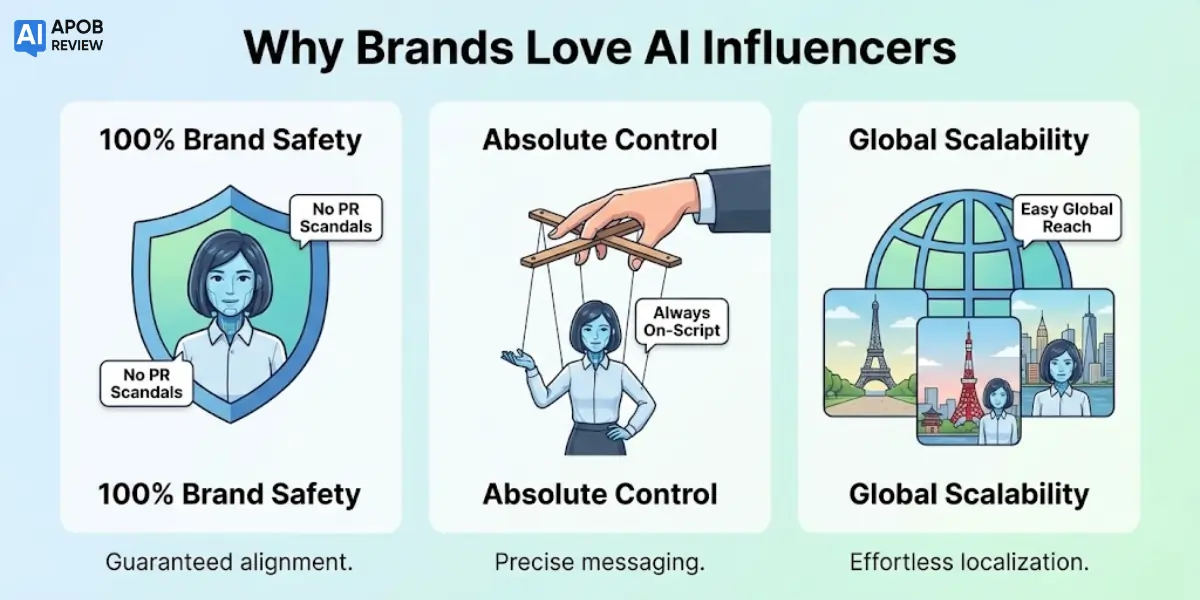
Brands are rapidly adopting these AI model generators to bypass the logistical hurdles of traditional production, effectively eliminating costs related to location scouting, photographers, and human talent scheduling. Beyond simple convenience, the primary motivation is absolute control.
A virtual persona never goes off-script or becomes involved in PR scandals, ensuring 100% brand safety and message alignment. Additionally, these tools offer unmatched scalability; companies can localize a single campaign for multiple global markets by simply tweaking the avatar's appearance or background, maximizing the ROI of their digital marketing efforts.
🤩 AI Influencer Generator Tools Changing Digital Creator Marketing
| Best AI Influencer Generators | Key Feature | Ideal Use Case |
|---|---|---|
| APOB AI | Character Consistency | Content Series |
| Sugarlab AI | Easy Setup | Beginner Visuals |
| HeyGen | Video Avatars | Explainer Videos |
| Kling AI | Motion Scenes | Short Clips |
| Higgsfield AI | Studio Quality | Brand Campaigns |
| OpenArt | Creative Flexibility | Style Testing |
| Akool | Production Scaling | Multi-Asset Output |
1. APOB AI
Standing at the #1 position on our list of AI Influencer Generators, APOB AI is a dedicated virtual influencer creation platform designed for high-end professional use. Unlike generic image generators, it specializes in maintaining consistent facial identity across diverse scenarios, effectively solving the “morphing” issue that plagues many creators.
This platform is particularly strong for users who need to produce consistent AI influencer characters for long-term social media campaigns. Its interface simplifies complex training processes, allowing you to generate realistic AI influencers without needing deep technical knowledge of Stable Diffusion.
APOB AI Pros
APOB AI Cons
🚥 Best For:
Brands and agencies needing reliable, high-quality AI influencer creation for global campaigns.
2. Sugarlab AI
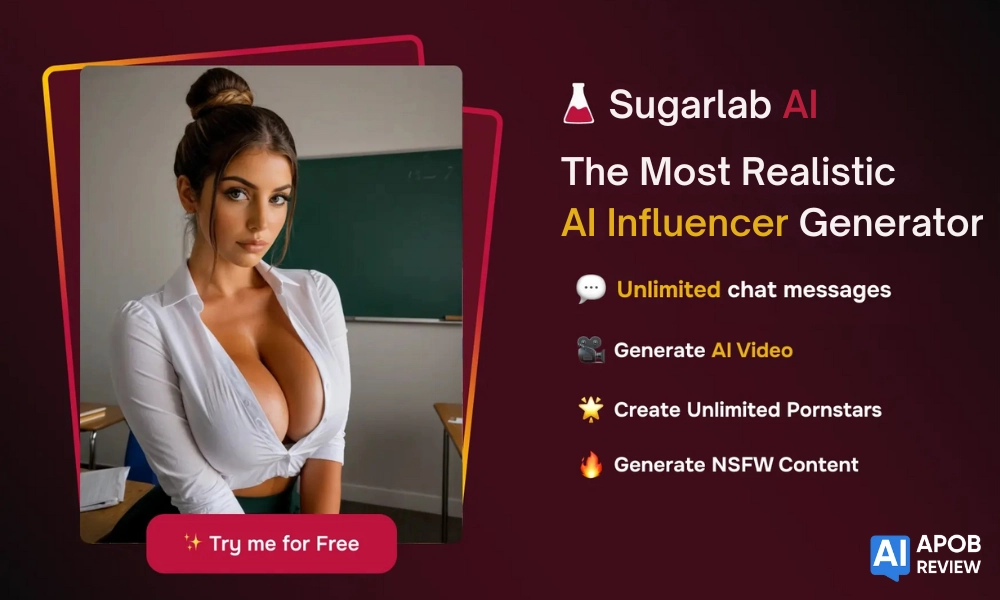
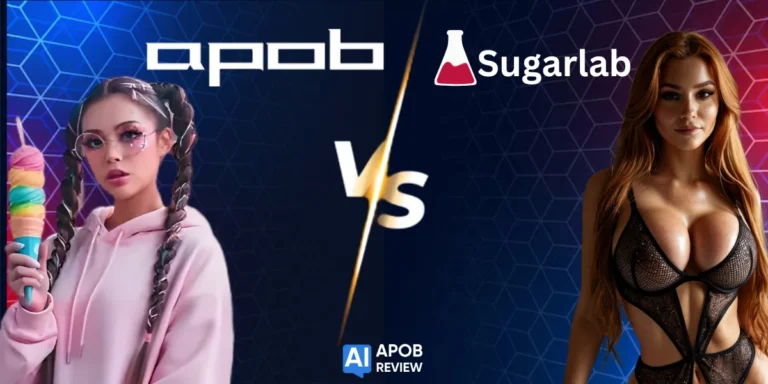
Sugarlab AI is a powerful tool in the AI model generator space, focusing on uncensored and highly creative character generation. It offers a more flexible environment for users who want to push artistic boundaries or explore niche aesthetics that mainstream tools might restrict.
It serves as a versatile virtual influencer software for those looking to create unique, stylized, or fantasy-based avatars. While it can produce photorealistic results, its strength lies in its ability to generate highly specific and customized visual styles that stand out in a crowded feed.
Sugarlab AI Pros
Sugarlab AI Cons
🚥 Best For:
Content creators and marketers seeking unique, high-quality AI influencers for social media.

3. HeyGen
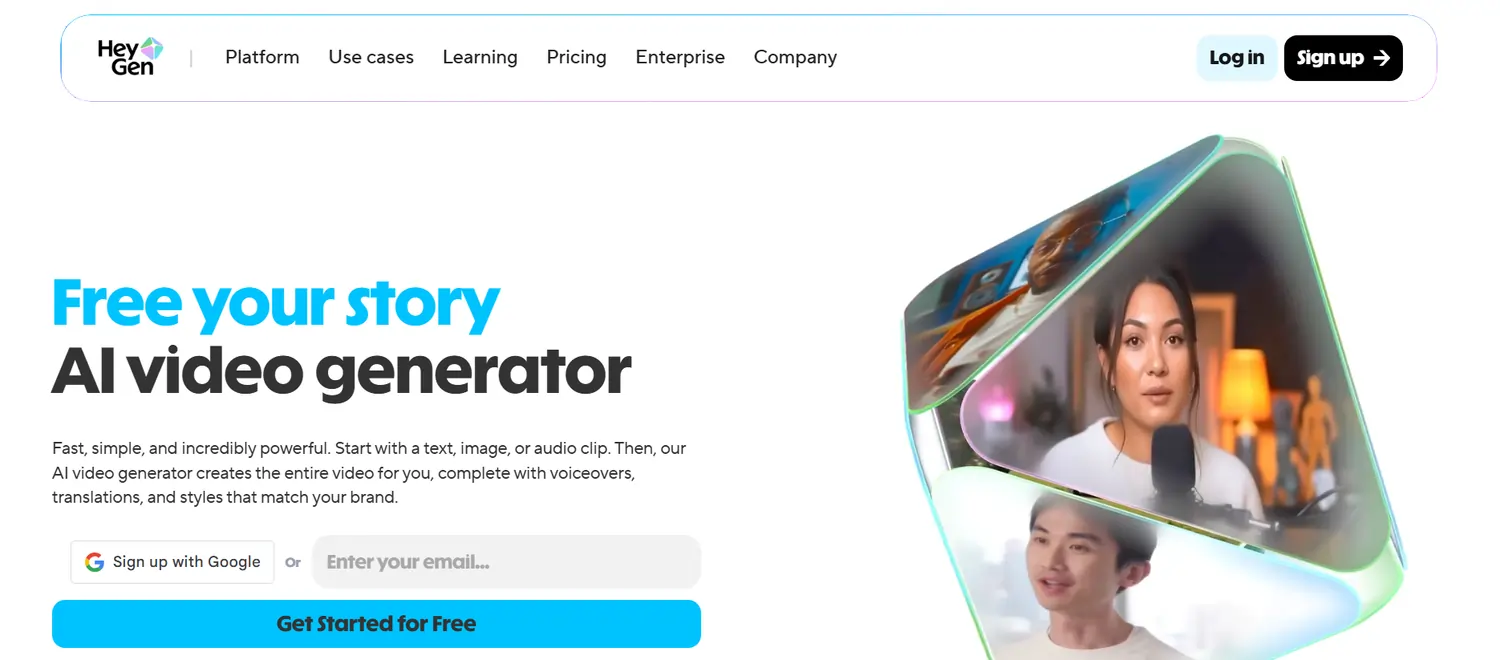
HeyGen is widely recognized as a top-tier video generation platform, making it a powerhouse for creating talking AI influencers. While many tools focus on static images, HeyGen excels at animating avatars with perfect lip-syncing and natural body language.
For brands that need their digital avatar to speak, host webinars, or create TikTok content, this tool is indispensable. It transforms static virtual personas into dynamic video assets, bridging the gap between image-based influencers and video-first social algorithms.
HeyGen Pros
HeyGen Cons
🚥 Best For:
Brands and agencies looking for professional, consistent AI influencer solutions.
4. Kling AI
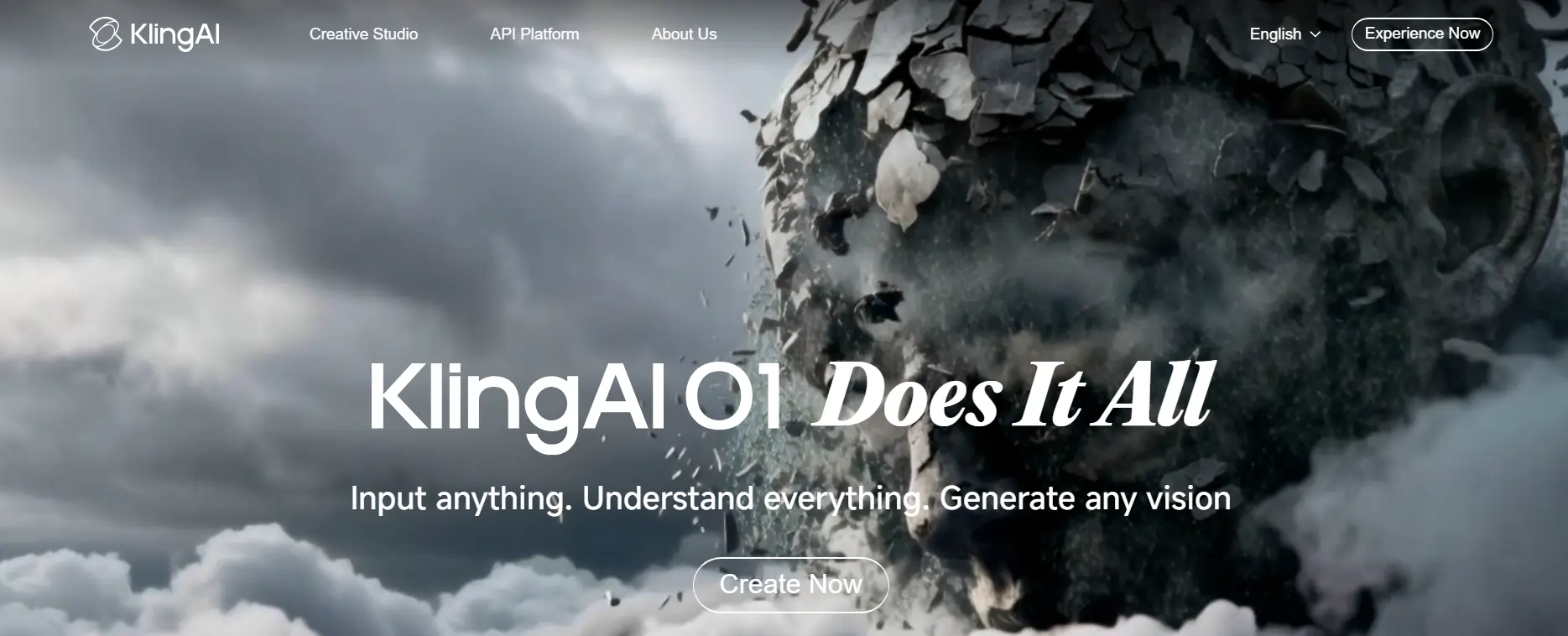
Coming in at the 4th position on our list of AI Influencer Generators, Kling AI is a powerful video generation model that rivals industry leaders in motion quality. It enables creators to generate high-fidelity video clips from text or images, making it a game-changer for producing realistic AI influencer content across video platforms.
This tool is ideal for users who want to move beyond static posts and create cinematic B-roll or lifestyle clips for their AI generated influencers. Its advanced physics simulation ensures hair and clothing move naturally, adding a layer of realism that static generators simply cannot match.
Kling AI Pros
Kling AI Cons
🚥 Best For:
Marketers and agencies needing dependable AI influencer tools for branding.
5. Higgsfield AI
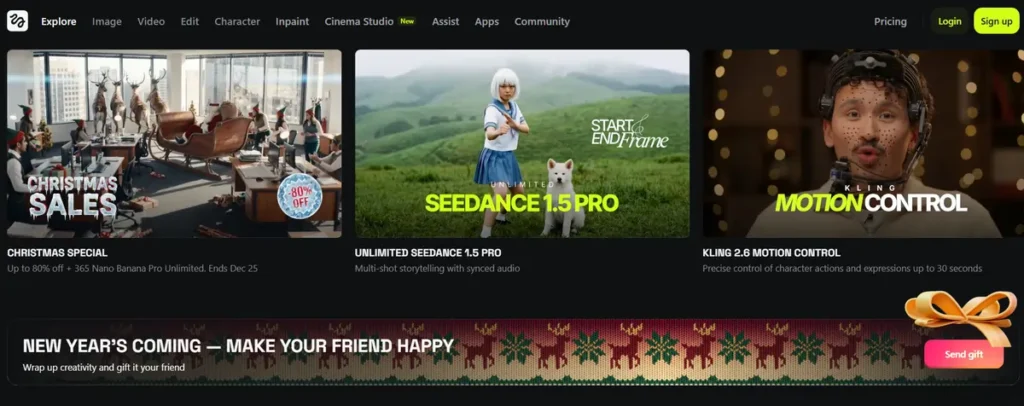
Higgsfield AI is built specifically for mobile-first creators who want to direct their virtual influencer like a movie star. Its standout feature is the ability to take a single reference image and animate it with specific movements, giving you directorial control over the action.
Higgsfield democratizes access to high-end animation, allowing anyone to produce dynamic content for a virtual influencer account directly from their phone. It strikes a balance between ease of use and the complex motion needed to keep audiences engaged on Reels and Shorts.
Higgsfield AI Pros
Higgsfield AI Cons
🚥 Best For:
Brands and agencies requiring advanced, realistic AI influencer creation.
6. OpenArt
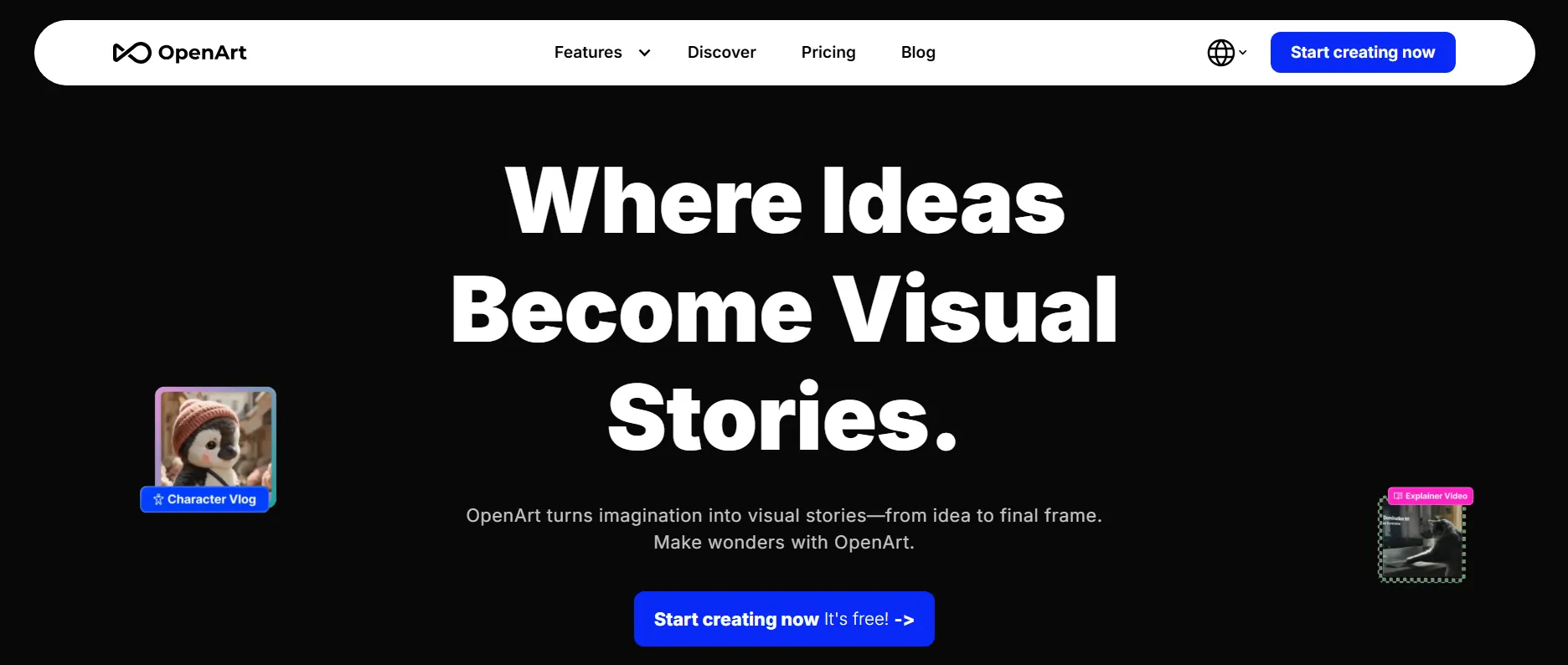
OpenArt is a comprehensive platform that aggregates various models, including Stable Diffusion, making it a versatile free AI influencer generator option for those willing to experiment. It provides extensive control over image composition, style, and fine-tuning details.
It is perfect for creators who want to dive deep into the technical side of making your own AI influencer. With features like ControlNet integrated directly into the web interface, you can pose your character precisely without needing a powerful local computer.
OpenArt Pros
OpenArt Cons
🚥 Best For:
Creative professionals and marketers seeking flexible AI influencer solutions.
7. Akool
Rounding out our list of AI Influencer Generators, Akool specializes in high-quality face swapping and realistic avatar creation, making it a go-to solution for placing a consistent face onto professional stock footage. This approach offers a smart shortcut for creators who want a realistic AI influencer without generating everything from scratch.
By focusing on advanced face replacement technology, Akool enables the use of real human body language and high-end photography while preserving a virtual persona’s identity. It’s a popular choice for commercial projects where lighting, textures, and realism must be indistinguishable from reality.
Akool Pros
Akool Cons
🚥 Best For:
Brands and agencies seeking dependable, realistic AI influencer tools.
💎 How to Make Your Own AI Influencer That Actually Ranks?
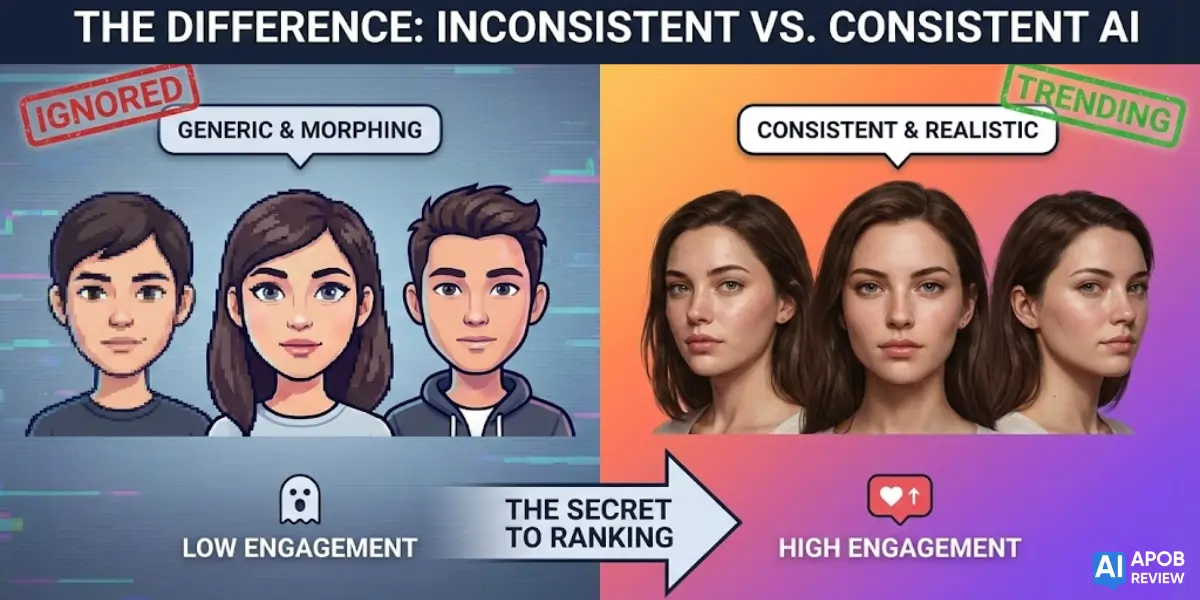
To make your own AI influencer that captures attention and ranks effectively on social explore pages, you must go beyond basic image generation. The secret to visibility in this niche is character consistency; social algorithms prioritize accounts that followers recognize instantly, which requires maintaining identical facial features across various lighting conditions and poses.
Begin by using tools that support consistent character reference sheets or LoRA training to ensure your digital avatar doesn't “morph” between posts.
Focus heavily on photorealistic details—imperfections, skin texture, and natural lighting—to avoid the “uncanny valley” effect that alienates viewers. Ultimately, treating your character’s visual identity with the same rigor as a corporate brand guide is what triggers the high-engagement signals that algorithms reward.
⭐ Making the Right Choice for Your AI Influencer Project
Picking the right AI influencer generator comes down to your specific goals—whether it’s consistency, creative control, or production speed. Each tool in this roundup has its strengths, and the best fit depends on your workflow and audience.
If you’re building a virtual persona for social media, blog content, or brand campaigns, these options provide a solid foundation to get started. Try a few, see what works best for your style, and don’t hesitate to share your experience in the comments below.