Is APOB AI Safe? A Deep Look into Privacy and Deepfake Ethics
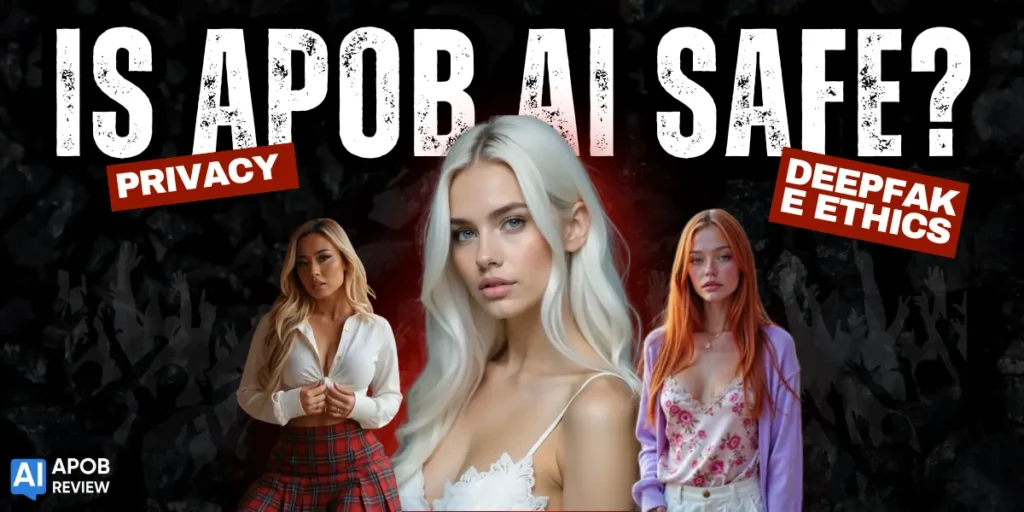
AI tools that generate faces, voices, and full-blown digital influencers can feel exciting—but also a little alarming. The internet has been flooded with talk about deepfakes, stolen likenesses, and “fake” fame.
So when a name like APOB AI starts trending, people naturally ask: Is APOB AI safe?
Let’s break down what’s behind the buzz—its safety record, privacy practices, and how to use its face-swapping features without crossing ethical lines.
💎 What Exactly Is APOB AI?
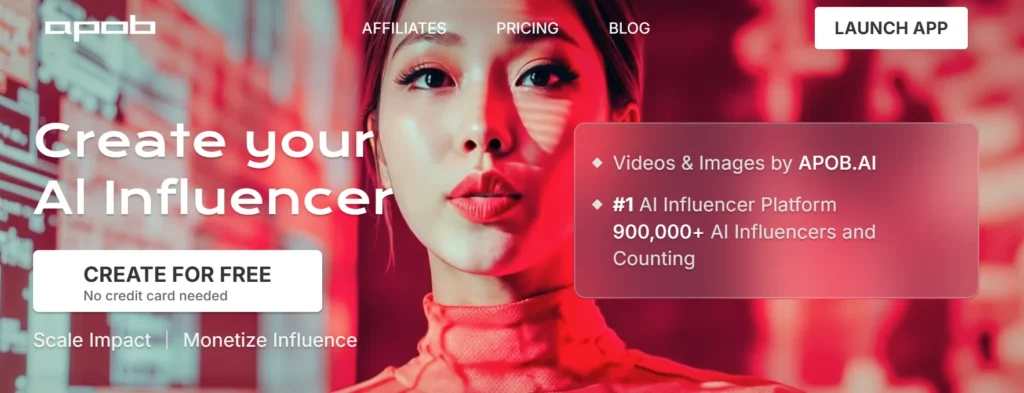
APOB AI promotes itself as a digital model and influencer generator. Users can upload media, create personalized faces or full avatars, and even use these virtual personalities for brand marketing. The app’s main appeal lies in how lifelike its generated content looks—and how easy it makes professional-level content creation for individuals and businesses.
But the same realism that makes the platform powerful also raises serious concerns about data misuse and deepfake safety.
🚥 Step One: Checking APOB’s Trust Record
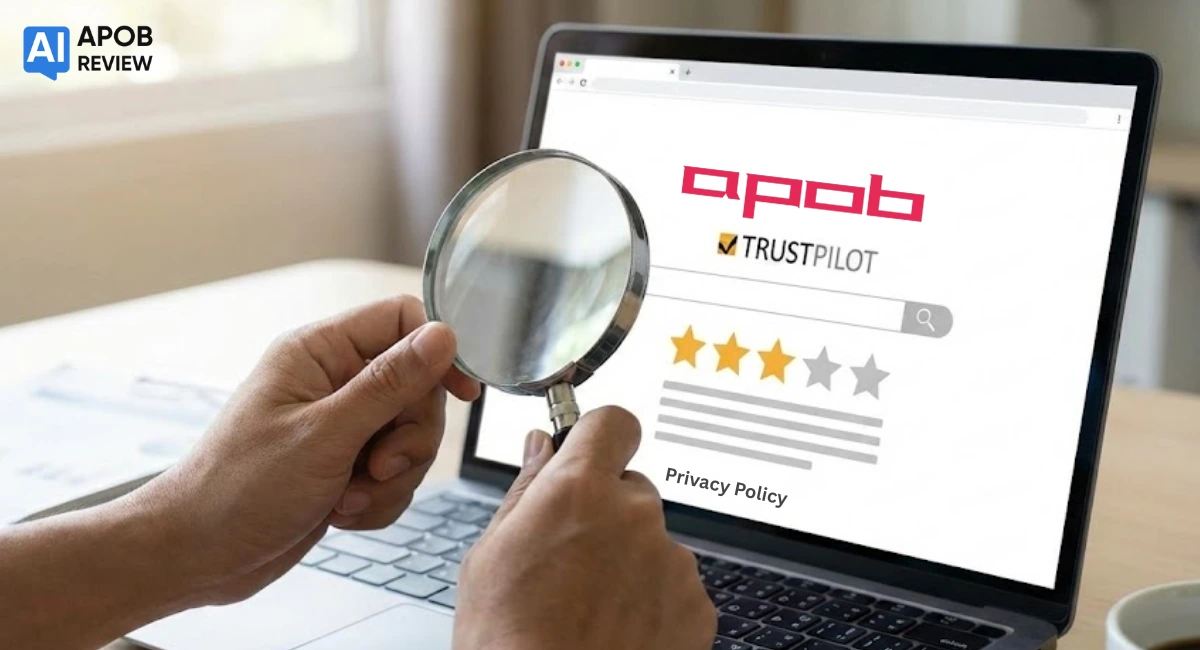
Before using any AI image tool, it’s smart to do a quick background check.
⚖️ The verdict? Not a scam, but caution is absolutely warranted.
👉 What the Terms of Service Reveal

Hidden inside the APOB AI Terms of Service are key sections on data use and intellectual rights. These determine who truly owns the content after generation.
Here’s what stands out:
⚡ In short: You own your content—but think before uploading identifiable faces or brand assets.
🎭 Using Face Swap Features Responsibly
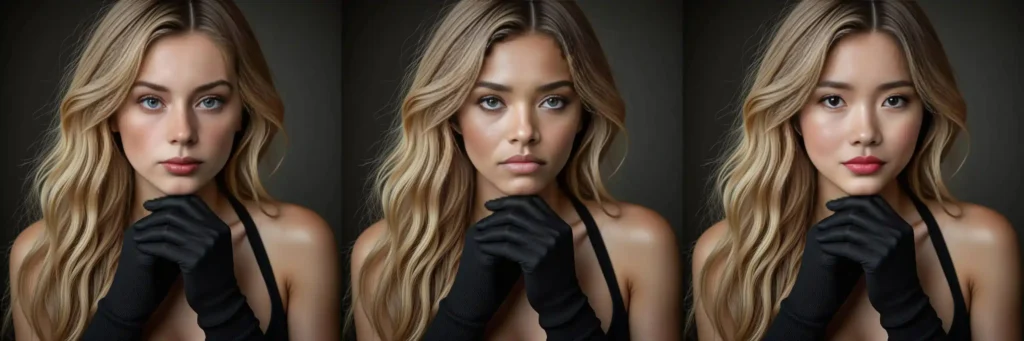
The “Face Swap” function might seem like harmless fun, but deepfake misuse has drawn heavy criticism worldwide. Ethical use matters, especially for marketers and creators who work with real people.
Here’s how to stay on the safe side:
- Always use consented images. Never use someone’s likeness—celebrity, private individual, or colleague—without permission.
- Avoid deceptive content. Even satirical or parody material can become misleading if context isn’t clear.
- Label AI-generated work. Transparency earns audience trust and protects brands from backlash.
- Check local laws. Several countries now regulate AI influencer copyright and deepfake creation with strict penalties.
Responsible usage keeps your creative freedom intact while preventing harm or reputational risk.
⚙ Deepfake Safety Tools and Awareness
If you’re worried about fake or unauthorized content, several digital safety resources can help:

Using these alongside AI data privacy best practices can dramatically reduce risk.
🚥 Commercial Rights and Marketing Use
An exciting part of APOB AI is the ability to craft unique digital influencers for brand campaigns. According to the Terms of Service, users can often claim commercial rights for their AI models, provided that no likeness or trademark is infringed upon.
Marketers can safely use the platform if they:
Clearly specify that their influencer is virtual.
Register the digital identity (for commercial use) under their business or agency.
Steer clear of mimicking recognizable celebrities or public figures.
Used correctly, APOB AI can become a tool for authentic creative marketing—just without crossing ethical lines.
🧠 Is APOB AI Safe? Yes, But Mind the Rules
So, is APOB AI safe? Mostly yes—if you respect its limits and understand its policies. The tool isn’t a scam, its Trustpilot rating is passable, and the privacy terms are publicly stated.
Safety issues arise only when users ignore consent rules, misuse face swap content, or skip reading the APOB AI Terms of Service. For marketers, that means clear disclosure and ethical use at every step.
💝 Bottom line: APOB AI is safe for creative and marketing purposes—but only for those who play by the rules of consent, copyright, and clarity.